

A knee can feel steady on the walk home and give way as you turn towards the stairs. A shoulder might feel fine at waist height and hurt every time you reach for an overhead shelf. Both details are worth mentioning when you see an arthroscopy doctor in Indore. An orthopaedic consultation can help you understand what may be causing the symptoms, which treatment options fit your situation, and when surgery might be considered.
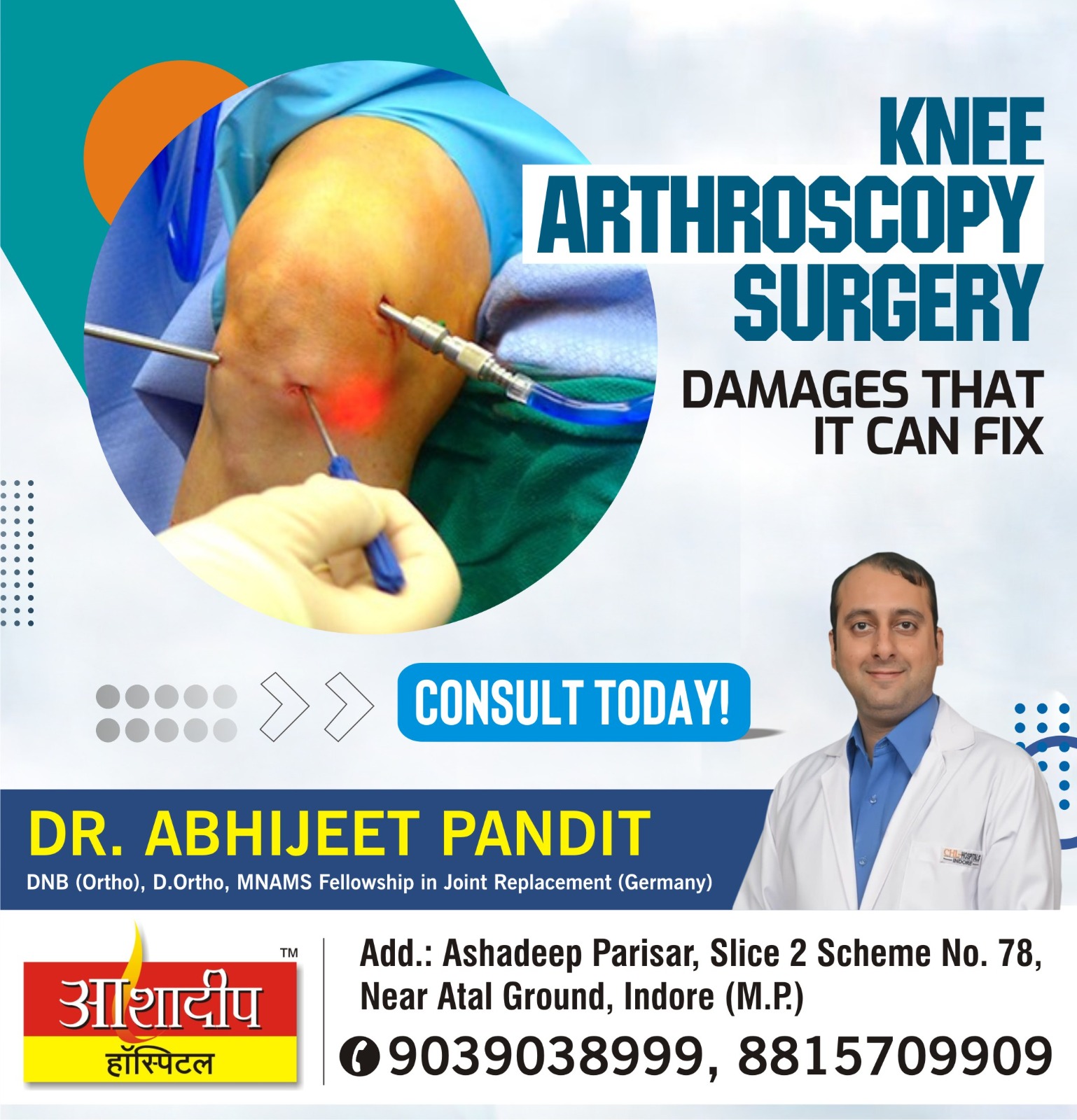
Arthroscopy is joint surgery performed through small incisions. A camera called an arthroscope sends images from inside the joint to a screen. The surgeon uses that view to guide small instruments inserted through separate openings during treatment.
The name describes how the surgeon accesses the joint. The treatment itself could involve repairing torn tissue, removing a loose piece of cartilage, or another procedure suited to the problem. Ask the surgeon to explain in plain language what they would do inside your joint and what it is meant to help you do afterwards.
A meniscus is a pad of cartilage that helps cushion the knee. A meniscus tear can cause swelling, pain, or a catching sensation, sometimes after a twist during sport. Many tears can be managed without immediate surgery. If an operation is appropriate, the surgeon may discuss repairing the tear or trimming the damaged part. The shape and location of the tear matter when deciding which option is suitable.
An injury to the anterior cruciate ligament (ACL) can also come up during a knee assessment. If your knee feels as if it will give way when you change direction, tell the surgeon what you were doing each time it happened. In selected cases, the discussion may include ACL reconstruction. The assessment helps the surgeon understand how stable the joint is and what demands you put on it.
The rotator cuff is a group of muscles and tendons that help move and steady the shoulder. Arthroscopy can be used to repair certain rotator cuff tears. It can also be used to treat some problems associated with repeated shoulder dislocations. If your shoulder has dislocated more than once, tell the doctor when it happened and whether you needed treatment after any of those episodes.
The decision starts with the history of the problem and a physical examination. The doctor may use an X-ray or an MRI to clarify what is causing the symptoms. They then consider the findings alongside what you’re finding difficult at work, at home, or during exercise.
For some injuries, physiotherapy is part of the initial treatment. If the pain is due to knee osteoarthritis, a tailored exercise programme is a core part of care. If the doctor suggests arthroscopic surgery, ask what problem the procedure would address, what other options suit your diagnosis, and what to expect if you continue with nonsurgical care for now.
A short note on your phone can help when the doctor asks when the trouble began. Include details you might forget in the clinic, such as swelling that shows up only after a long day on your feet.
When you meet Dr. Abhijeet Pandit at Ashadeep Hospital, tell him what you hope to get back to. A badminton player may want to turn quickly again. Someone who spends the day on their feet may care most about getting through a shift. Your goal gives the doctor something concrete to discuss when explaining the options.
Recovery after arthroscopy depends on the joint and the treatment performed. After a meniscus repair, the surgeon may limit how much weight you can put on your leg for a period. After certain shoulder repairs, you may need a sling. Ask when these restrictions will be reviewed and how your rehabilitation will progress.
Bring up the practical details before surgery. If you usually commute by two-wheeler in Indore or live upstairs, ask when you can travel independently and whether you’ll need help getting around at first. If your job involves lifting or prolonged standing, describe a full shift so the team can discuss a realistic return to work. Ask for the follow-up and physiotherapy plan in writing.
The decision depends on your symptoms, the examination, and the type of tear. Ask whether the finding on the scan explains what you feel when using the joint and which treatment options are appropriate for it.
Many people go home on the day of surgery. The team will confirm the plan based on the procedure, your health, and how you recover after the operation. Ask who should collect you and what help you’ll need at home that evening.
That depends on the type of anaesthesia used. With general anaesthesia, you’re asleep during the operation. Regional anaesthesia numbs a specific part of the body. The anaesthetist can explain what’s planned for your procedure.
Possible complications include infection and blood clots. Ask the surgical team which risks are relevant to you, what changes to look out for after you go home, and who to contact if you’re concerned.
The timing depends on the procedure, how your joint is healing, and what your sport demands. Ask your surgeon or physiotherapist which movements, strength checks, or other milestones they’ll use to guide your return to training.
If knee or shoulder symptoms are getting in the way of work, exercise, or everyday movement, bring your questions and any earlier reports. Contact Dr. Abhijeet Pandit at Ashadeep Hospital to schedule an arthroscopy consultation in Indore and discuss a treatment plan based on what your joint needs.
| Tags: | #Arthroscopy Doctor in Indore |


